

by Rachael O’Connell, ND
The Ultimate Guide to a Major Metabolic Reset
I wrote this guide to give some insight into how controlling blood sugar and metabolism through nutrition, exercise, and stress reduction can help us all live healthier lives. By understanding why and how these strategies work, we’re more likely to adopt sustainable lifestyle changes, improve our health, and teach others to do the same. This is my mission—helping others live better lives if they choose to do so.
If you’re reading this, you’re already on the path to better health just by learning more about it! There’s never a perfect time to change things, but every day you delay is another day you could be feeling better, more energized, and healthier. Starting now means taking control of your health today and setting yourself up for a longer, more fulfilling life. The question is, why wait?
This guide is for anyone looking to improve their health, especially adults. However, many of the principles shared here can also benefit teens and tweens, with appropriate guidance from a provider like a nutritionist, naturopathic doctor, or primary care physician trained in nutrition.
Please note that, while based on my clinical and personal experience, this guide is purely educational and is not a replacement for a doctor-patient relationship. Please consult your healthcare provider before attempting any steps in this guide.
See full disclaimer at the end of this article by clicking here.
If you’re interested in working with me as your healthcare provider, either virtually in Oregon or in person in Ohio, you can find more information and book an appointment on my booking page.

Read the whole guide to get the full understanding of how this all works, but if you want you can skip to any of these sections by clicking on them:
- Understanding Keto – Instructions on what to eat
- Drink Options – What do drink when doing keto or when fasting
- Guidelines for Fasting – How to start eating less often step-by-step
- Vitamins & Minerals to know about
- Movement & Exercise Ideas
- Sleep Hygiene
- Emotional and Spiritual Wellbeing
- Fun Activities to Try
- Community Outreach Ideas
- Book an appointment with me, Dr. O’Connell
Now, buckle up, let’s get into it…
Flaws of the “Calories In, Calories Out” Model
The common “calories in, calories out” model doesn’t fully explain fat loss. While exercise does help improve our health, the body compensates for burned calories by lowering its basal metabolic rate, preventing us from losing weight at the same rate indefinitely, until we disappear into an ethereal rainbow mist or something.
For example, if a 200 lb person consumes 2,000 calories a day and burns 500 calories through exercise, they won’t keep losing 1.5 lbs a week forever and simply… vanish! The body adjusts, making this rate unsustainable. This illustration highlights flaws in the “calories in, calories out” approach. There is something else at play here when we have trouble losing fat and getting healthy. So what is it?
Insulin: What Is It and What Does It Do?
Insulin is a hormone that helps regulate blood sugar. After eating, particularly carbohydrates, blood sugar rises, triggering insulin to move sugar into cells for energy or storage. When we allow several hours between meals, insulin levels drop, giving the body time to burn stored fat. However, eating a snack or a meal before insulin levels drop causes insulin to rise again, leading to higher levels than before.
Over time, this can lead to insulin resistance, where the body becomes less responsive to insulin, requiring even more insulin to do the same job. The result? More energy is stored as fat—especially visceral fat (fat around internal organs) and fat in the liver. So we see, the main cause of fat gain isn’t simply about calories in vs. calories out, but rather the imbalance of insulin levels.
Macronutrients and Insulin Response
When we consume food, different macronutrients (fat, protein, and carbohydrates) affect insulin levels in varying ways:
- Carbohydrates: Eating carbs raises blood sugar significantly, prompting a big release of insulin to help move sugar (energy) into the cells.
- Protein: While protein increases insulin, its effect is more moderate compared to carbs, helping with muscle repair and growth.
- Fat: Fat has little to no effect on insulin levels. It provides a stable energy source without causing a spike in blood sugar.
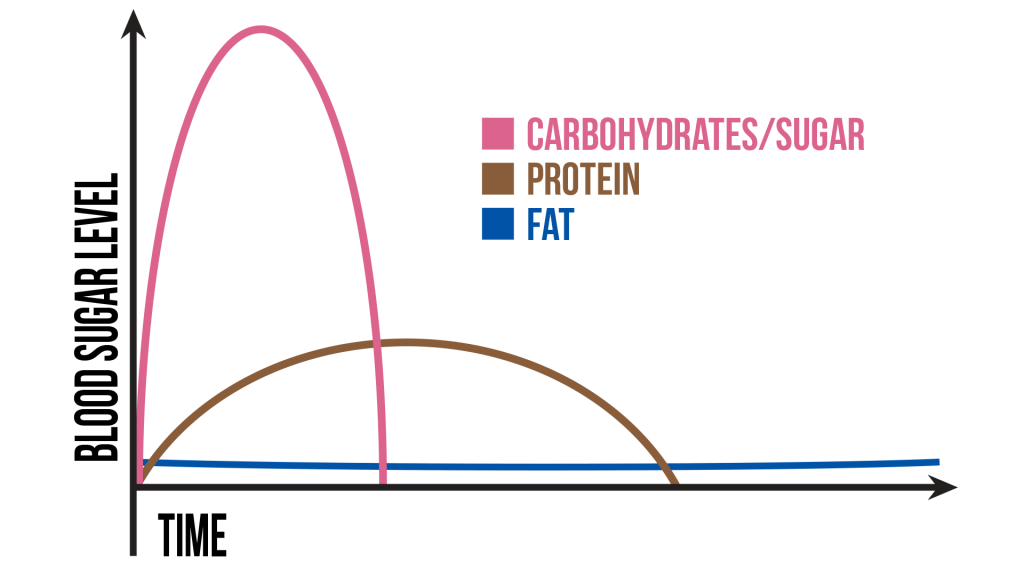
How does this apply to our health?
As insulin resistance develops from poor blood sugar control, the body produces more insulin to overcome its reduced effectiveness. This creates a vicious cycle of more hunger, more cravings, and more insulin, making it harder to manage weight and health. This cycle can lead to diseases like diabetes, heart disease, obesity, and cancer. Insulin resistance can even harm the gut barrier, causing inflammation and worsening health issues.
But there IS hope! Here’s what we’re going to learn about:
Once adapted to a ketogenic state (which can take 6-8 weeks), the body shifts from primarily burning sugar to burning fat. This provides more stable energy, with blood sugar levels staying lower and more even (no spiking and crashing). The body makes enough sugar for the brain, and stored fat is converted to ketones, which provide a longer-lasting energy source that brain AND body love! This is like switching from using quick-burning kindling (sugar) to burning large logs (fat).
Note: As you become more “fat-adapted,” you can go longer through the day without needing to eat, using stored fat for energy!
The Exciting Benefits of Taking This Step!
Adopting a healthier lifestyle isn’t just about physical appearance—it’s about living a longer, more fulfilling life. Most people want to live longer to enjoy time with family and friends, pursue passions, and create lasting memories.
Fat Loss and Muscle Building: Losing subcutaneous fat (fat just under the skin) can boost confidence and comfort, while reducing visceral fat (the fat around internal organs) lowers the risk of heart disease and diabetes by reducing inflammation. Growth hormone helps build muscle and bone density, and maintaining muscle mass improves metabolism, strength, and overall vitality as we age.
Energy, Mood, and Brain Health: Mitochondria are the energy centers of cells, and improving their function leads to more energy, alertness, and physical performance. Increasing Brain-Derived Neurotrophic Factor (BDNF) through exercise and nutrition supports memory, learning, and cognitive function. Healthy living improves mood, reduces stress, and enhances overall wellbeing by balancing hormones like cortisol and serotonin, leading to greater happiness and peace.
Jump back to top!
Understanding Ketogenic Nutrition
When it comes to metabolic health, the first and most important step is nutrition. The focus should always be on whole, nutrient-dense foods because the list of what not to eat is long, mainly consisting of ultra-processed foods, such as junk food, fast food, and pre-packaged snacks. A simple rule is to prioritize whole foods and cut out processed options.
A ketogenic diet, with an emphasis on whole foods, is an excellent onramp to fasting. It allows your body to adjust to burning fat for fuel instead of sugar, which can improve insulin sensitivity and metabolic function. Begin by cutting out ultra-processed foods, including protein powders and smoothies, as they can raise insulin levels too much and undermine the benefits of this lifestyle.
Basic daily macros:
These can gradually change as we go along and get stronger and find what works with our bodies and our blood sugar control. Work with a healthcare provider to find the perfect balance for your needs, lifestyle, and goals. The idea is not to count calories but to count macros and go for the highest quality of whole, natural food as possible. If you want a good place to start on the numbers, this is a solid general guideline for daily intake that I use with many of my patients:
- 20 grams of NET CARBS. Subtract fiber from carb total for the day because it doesn’t impact blood glucose at all.
- 90-120 grams of protein from all sources. Don’t eat lean protein without fat. This includes anything from protein powders to chicken breast.
- 100 grams of fat. If you aren’t hungry, don’t eat more fat. BUT if you ARE hungry, eat more fat. This is the main lever you can pull for hunger and body fat loss as you get adapted. More on that below.

Meal Planning:
Here is a good way to approach each of your meals, eaten in this order for maximum blood sugar support:
- Pre-meal: drink 8 oz of water (with a splash of vinegar or squeeze of lemon) and electrolytes. The vinegar or lemon helps prevent a rise in blood sugar.
- Salad: 2-3 handfuls of leafy greens with vinegar, olive oil, salt, pepper.
- Veg: 1 cup of other vegetables, cooked, fermented, or raw if tolerated (can be on your salad or eaten on their own), seasoned to taste. Salad and veg help slow down blood sugar rise and any insulin rise from protein.
- Protein/Fat: 4-6 oz of fatty animal protein or 3-6 whole eggs, baked, roasted, air-fried, pan-cooked, BBQ’d, etc, just not deep-fried. Put anything from the approved condiment list below with/on your protein/fat portion. Fat helps slow down insulin rise from protein.
- Fibrous Veg: this is the time to have a small amount of beets, carrots, parsnips, etc. on the list below. Eating them at the end will prevent a rise in blood sugar from the starch in these.
- Dessert: If you want one, just don’t eat this if you’re full! Berries, cream, peanut butter, high cacao dark chocolate, or make a recipe. See list below.
- Take a walk: Any carbs you did have in your meal will be put to use quickly by taking at least a 10 min walk or by doing 10 mins of activity that uses big muscles in your legs and booty. If you can’t walk, try looking up chair aerobics or Pilates videos to try! It’s fun!
Tip: Avoid snacking as much as possible. If you can’t handle it, try one of the following:
- Put a pinch of salt in your mouth
- Drink some water with a tasty sugar-free electrolyte powder like Jigsaw or LMNT
- Drink some hot or iced tea (no sugar)
- Do something else like fold laundry, do the dishes, or brush your pet giraffe
- Take a walk for a few minutes
- Text/call a buddy to keep you from snacking.
The urge to snack WILL go away!
Are you gonna let a snack come between you and health?
Jump back to top!
Foods to Eat on Keto
Animal Fat & Protein: Organic, Pastured, Wild
In a ketogenic diet, fat and protein should be roughly equal amounts, with a preference for animal-based sources. Animal protein and fat are whole, natural foods, readily used by our bodies. Fatty cuts of meat or a 2:1 fat to protein caloric ratio, cause less of an insulin spike than leaner cuts or protein powders without added fat. If possible, opt for organic, pastured, wild meat, fish, dairy, eggs, and poultry. Some great sources of protein include:
- Grass-fed/finished ground beef and lamb (85/15% fat content is easier to digest for many people than leaner cuts or fatty steaks, though steak is also a good option if well-digested)
- Eggs: chicken, duck, quail
- Wild-caught fish such as salmon (with skin) and mackerel
- Dark meat poultry like turkey, duck, and chicken
- Organ meats, though not required, provide a wealth of nutrients. Examples include liver, kidney, and heart, which are rich in vitamins A, B12, iron, and folate.
- Full Fat Dairy: If tolerated, cheeses such as Pecorino Romano, Parmesan, Manchego, and White Cheddar are good options. Additionally, high-fat plain yogurt and kefir, preferably from goat milk, sheep milk, or Jersey cow milk, are beneficial for protein and fat content as well as probiotics.
A note to my vegan friends: I don’t recommend vegan diets for a variety of reasons, though it is possible to do vegan keto! If you are vegan and want to know more about how to do vegan keto, look up Dr. Carrie Diulus, who has eaten a vegan keto diet for decades.
Tip: In the early stages of transitioning to a ketogenic diet, it’s important to have a higher fat intake for energy. Over time, as your body becomes better at using its own fat stores for fuel, you can reduce the amount of fat you eat (note: don’t eat lean protein without fat). In the meantime, some great fat options include:
- Grass-fed butter, Amish butter, Danish butter, and Irish butter
- Ghee (clarified butter, which is free from milk solids and lactose)
- Extra virgin olive oil – ensure quality by checking that it hardens in the fridge and has a fragrant, non-rancid smell
- Coconut oil
- Avocados and avocado oil
- Macadamia nuts, walnuts, and pecans as tolerated
Jump back to top!
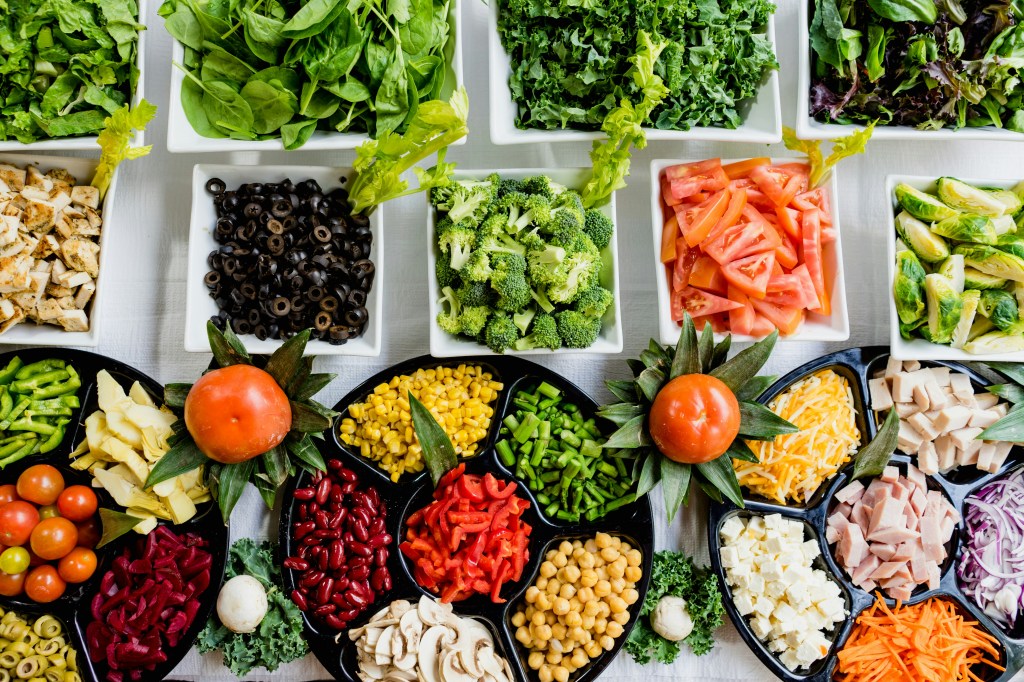
Fresh Produce, Organic Where Possible
Leafy greens are nutrient-dense, low in carbs, and packed with fiber. Some great options include arugula, Swiss chard, spinach, kale, green leaf lettuce, romaine lettuce, and collard greens. Celery stalks get to go in this category because it’s basically crunchy water and you can eat as much as you want!
Cruciferous vegetables are rich in fiber and antioxidants. Broccoli, cauliflower, Brussels sprouts, cabbage, kale, and bok choy are some great examples. If you have trouble digesting them, cooking them (steaming, roasting, or sautéing) can help make them easier on the digestive system.
Non-sweet fruits (usually called vegetables) have high fiber and low-net-carbs. Avocados, zucchini, spaghetti squash, pumpkin, olives, fresh coconut, tomatoes, and rhubarb are low in sugar and provide antioxidants and other nutrients, making them great additions to your meals.
Low-sugar berries are packed with antioxidants and generally lower in sugar than other fruits. Fresh or frozen strawberries, blackberries, raspberries, and cranberries are excellent choices that can be enjoyed on keto. Blueberries eaten at the end of a meal are also totally acceptable in moderation. See dessert options below!
Fibrous vegetables, such as parsnips, rutabaga, asparagus, and artichokes, are high in fiber and low in carbs. Carrots, celery root, and beets eaten in moderation at the end of a meal can also be okay on keto. Ginger, turmeric, and horseradish are all roots that can be used more liberally due to their very high fiber content and major health benefits!
Alliums, if tolerated, include onions, garlic, and shallots, and due to their sugar content, make better condiments. The tops of green onions can be used liberally however due to their low sugar content. Think of this: most things growing underground are the sugar-storage (starch) for a green plant.
Nightshades, if tolerated, include tomatoes, eggplant, and sweet and hot peppers (like bell peppers and chili peppers). They are rich in antioxidants and vitamins, though some people may be sensitive to nightshades.
Tip: Try fermented vegetables! Fermentation enhances digestibility, reduces anti-nutrients, increases bioavailability of nutrients, and introduces beneficial probiotics, which can help balance gut bacteria, improve digestion, and boost immunity. Common fermented vegetables include sauerkraut, kimchi, pickles, pickled beets, jardiniere, and fermented carrots. Be sure to check the label to avoid added sugar!
Jump back to top!
Nuts, Seeds, and Nut/Seed Butters
Nuts, seeds, and nut/seed butters provide healthy fats, fiber, and essential nutrients.
- Pecans, macadamias, pumpkin seeds, almonds, Brazil nuts, chia seeds, flax seeds, and sunflower seeds are all great choices.
- For nut/seed butters, consider almond butter, macadamia butter, sunflower seed butter, and pumpkin seed butter.
Tip: If you enjoy peanut butter, opt for organic Valencia peanut butter for lower fungal contamination.
Dessert Ideas
For a sweet treat, consider enjoying one of these right at the end of a meal:
- A square of 80% or higher dark chocolate
- Whipped heavy cream with stevia and vanilla extract or no sugar peanut butter. Add berries for a cool, tart contrast in flavor
- Plain yogurt with low-sugar berries on top
- Try my recipe: Delicious Keto Spice Cake With Cream Cheese Frosting
- Or this one: Awesome Chocolate Keto Brownies
Jump back to top!

Condiments
These condiments can be used in moderation to enhance flavor while keeping your diet in line with keto principles. Always check labels to avoid hidden sugars, seed oils, or other processed ingredients.
Preferred Salts:
- Pink Himalayan
- Celtic gray salt
- Sea salt
- Any other natural, minimally processed mineral salt – find your favorites!
Avoid: Regular iodized table salt, which is overly processed and lacks the beneficial trace minerals found in natural salts.
Herbs & Spices: Most are keto-friendly and can add flavor to your meals. Here are some common ones: Basil, Oregano, Rosemary, Thyme, Parsley, Cilantro, Garlic powder, Onion powder, Paprika, Chili powder, Cumin, Turmeric, Cayenne pepper, Black pepper, Ginger, Cinnamon
Vinegar can be a great way to enhance flavor without adding carbs or sugars:
- Apple cider vinegar
- White vinegar
- Wine vinegars (e.g., red wine vinegar, white wine vinegar)
- Avoid: Sweetened vinegars such as balsamic or sushi rice vinegar. These contain added sugars.
Tip: Adding vinegar mixed with water or using vinegar on salads at the beginning of a meal can help prevent blood sugar spikes.
Mustard is a great condiment for keto meals as long as it’s free of sugars:
- Yellow mustard
- Brown mustard
- Spicy mustard
- Dijon mustard
- Avoid: Honey mustard or mustard-mayo blends, as they often contain sugars or unwanted oils.
Mayo: Choose natural egg-based mayo made with healthy oils:
- Avocado oil mayo, Olive oil mayo
- Good Brands: Primal Kitchen, Chosen Foods
- Avoid: Vegan mayo due to processing and potentially inflammatory oils.
Salad Dressing: While store-bought dressings can be convenient, they often contain unwanted sugars and oils.
Try this homemade salad dressing:
- Apple cider vinegar
- Olive oil
- Salt (Use mineral-dense salts like pink Himalayan, Celtic gray, or sea salt)
- Pepper
- Italian seasoning (or your choice of herbs)
- Shake together for a quick, fresh, and healthy dressing!
Try Dr. Weil’s Umami Sauce Recipe on burgers and salads. I LOVE this stuff and it’s easy to make in the blender!
Tip: Look up homemade keto-friendly versions of your favorite dressings, sauces, and spreads but always avoid added sugars, seed oils (like sunflower or canola oil), and vegetable/soybean oils.
Jump back to top!

Drink Options
Many of these drinks are also great while fasting. Just don’t add heavy cream when doing a fast because it has caloric content. Heavy cream doesn’t spike blood sugar or insulin, so some people may still choose to use it while doing a fast and that’s fine for most purposes of fasting.
- Water:
- Types: Filtered water, mineral water, spring water, sparkling water.
- Flavored Water: Add lemon, lime, or infuse with cucumbers, strawberries, or herbs (e.g., mint) for natural flavor.
- Herbal Teas:
- Varieties: Peppermint, hibiscus, chamomile, rooibos, ginger, etc.
- Benefits: Calm the digestive system, help with hydration, and offer various health benefits (e.g., calming, antioxidant-rich).
- Tea (Black, Green, Oolong):
- Options: Drink plain or with a safe sweetener (stevia, monk fruit, allulose).
- Additions: Lemon juice, tiny splash of cream for English tea, or safe sweeteners.
- Benefits: Rich in antioxidants, boosts metabolism, and supports overall health.
- Coffee:
- Options: Black coffee or coffee with heavy cream (no added sugar).
- Safe Sweeteners: Use stevia, monk fruit, or allulose if desired. See list below.
- Benefits: Increases energy, improves cognitive function, and may support metabolism.
- Stevia-Sweetened Soda:
- Brands: Zevia, Whole Foods 365 Sugar-Free Cola, Virgil’s Diet Soda.
- Benefits: A carbonated option without sugar or artificial sweeteners, perfect for those seeking a soda-like experience without the downsides of sugar or HFCS.
Drinks to Avoid:
- Alcohol:
- Why Avoid: Alcohol is processed by the liver, which can hinder your body’s ability to prevent or reverse disease.
- If You Struggle with Alcohol: Work with your provider or counselor for support in weaning off or using harm reduction strategies.
- Sodas with Sugar or Artificial Sweeteners:
- Why Avoid: These sodas can disrupt blood sugar regulation and negatively impact metabolism. They also contribute to gut imbalances and inflammation.
- Check labels to avoid: Sodas with high fructose corn syrup, artificial sweeteners; aspartame, acesulfame K, Nutrasweet, saccharine, sucralose, dextrin, dextrose, Splenda, Equal, etc.).
Jump back to top!
Preferred Sweeteners:
- Allulose: a third less sweet than table sugar, made by processing fruits and grains, has low impact on blood sugar. Some people report an aftertaste but if used mixed with stevia or monk fruit, it is hard for sugar-eaters to distinguish, in my experience. Read more about it here.
- Monk Fruit: hundreds of times sweeter than sugar, glycosides called mogrosides come naturally from monk fruit, available in pure powder form, or bound to allulose or erythritol. Monk fruit is a strong antioxidant and is being studied for its possible anticancer properties.
- Stevia: hundreds of times sweeter than sugar, steviol glycosides come naturally from the stevia plant, available in pure liquid (in water, alcohol, or glycerine) or pure powder form. Stevia is being studied for its high chromium content and pancreas-healing abilities, especially in diabetes research. Note: Avoid “Stevia in the Raw” since it is bound to dextrose, a sugar, to bulk it up. “Truvia” however, is bound to erythritol, which is safe and generally well tolerated.
- Erythritol and Xylitol: About as sweet as sugar, it has a cooling taste that is undesirable in baking, but it is a safe sugar alcohol, okay for most people but may cause migraines in some, so use cautiously. Note: Xylitol is extremely toxic to dogs.
Tip: if using pure powdered glycosides (stevia or monk fruit), remember they are over 100x sweeter and must be used in tiny fractions. Baking with glycosides doesn’t work due to sheer lack of volume. It’s better to blend allulose and either stevia or monk fruit.
Jump back to top!
Micronutrients to Know About:
Fat-Soluble Vitamins
- Cod Liver Oil – a great way to get A, D, and Omega-3
- Rich in Vitamins A and D, plus omega-3 fatty acids
- Vitamin A (Retinol):
- Essential for skin, vision, immune health, and tissue repair.
- Note: Beta carotene (from plants) is poorly converted to active Vitamin A in humans, making retinol sources (like cod liver oil) crucial.
- Vitamin D3:
- Promotes calcium absorption, supporting bone health, endocrine function, and immunity.
- Vitamin K2 (MK-7):
- Ensures calcium is directed to bones and teeth instead of arteries.
- Works synergistically with Vitamin D3.
- Vitamin E (Tocopherols and Tocotrienols):
- Antioxidant that supports cardiovascular health, nerve function, and skin repair.
Water-Soluble Vitamins
- Vitamin B Complex:
- Includes B1 (Thiamine), B2 (Riboflavin), B3 (Niacin), B5 (Pantothenic Acid), B6 (Pyridoxine), B7 (Biotin), B9 (Folate), and B12 (Cobalamin).
- Benefits:
- Energy production, red blood cell formation, and nervous system support.
- Folate (5-MTHF): Active form needed for DNA repair and cell growth.
- B12 (Methylcobalamin): Crucial active form of B12 for nerve health and energy, especially for vegans and older adults and those with MTHFR defect.
- Vitamin C (Ascorbic Acid):
- Potent antioxidant supporting immune health, skin repair, and collagen production.
- Reduces oxidative stress and improves iron absorption.
Electrolytes
Electrolytes are critical for hydration and muscle function, particularly during fasting or keto diets:
- Magnesium: Over 300 enzymatic functions, including muscle relaxation and energy production. Magnesium Glycinate is the best form as it is best absorbed and won’t cause diarrhea.
- Potassium: Maintains fluid balance, reduces blood pressure, and prevents muscle cramps.
- Sodium and Chloride: Necessary for nerve signaling and hydration.
Digestive Support
- Digestive Enzymes: Enhance the breakdown of all foods, reducing gas and bloating.
- Betaine HCl: Improves stomach acid production for better protein digestion.
- Ox Bile: Aids fat digestion, especially for those without a gallbladder.
Jump back to top!
Fasting: A Step-by-Step Guide
- Once we’ve been on keto for a while, fasting is a breeze.
- It’s a safe and natural state our bodies enter every night during sleep!
- Fasting further helps us regulate insulin, improve metabolic health, and encourage fat adaptation and body fat reduction (fat loss).
General Tips for Fasting Newbies:
- Take It Slow: Start with short fasting periods and gradually increase the duration.
- Stick to Regular Eating Windows: During feeding times, avoid snacking and eat every 4+ hours.
- Stay Hydrated: Drink plenty of water and include electrolytes (e.g., sodium, potassium, magnesium).
- Listen to Your Body: If you feel faint or unwell, stop fasting and seek medical attention if needed.
- Prepare with Keto: Following a ketogenic diet for 4+ weeks before fasting can reduce hunger and ease the transition by lowering insulin levels.
READ: Fasting Safety:
- Always consult your doctor before starting a fasting regimen, especially if you:
- Take blood sugar-lowering medications.
- Have chronic illnesses.
- Are pregnant, breastfeeding, or under 18 years old.
Beginner: Time-Restricted Feeding Windows
These fasting periods are manageable daily routines:
- Step 1: 12/12
- 12 hours fasting, 12 hours feeding.
- Example: Eat from 7 AM to 7 PM, then fast.
- Meals: Typically 3 meals/day.
- Step 2: 14/10
- 14 hours fasting, 10 hours feeding.
- Example: Eat from 9 AM to 7 PM.
- Meals: 2–3 meals/day.
- Step 3: 16/8
- 16 hours fasting, 8 hours feeding.
- Example: Eat from 11 AM to 7 PM.
- Meals: Typically 2 meals/day.
- Step 4: “OMAD” (One Meal a Day)
- 23 hours fasting, 1 hour feeding.
- Example: Eat one meal at 6 PM.
Advanced: Longer Fasts
For experienced fasters; consult your provider before attempting:
- Step 1: 24–36 Hour Fast
- Water fast for 1–1.5 days.
- Frequency: 1–4 times per month.
- Step 2: 48 Hour Fast
- Water fast for 2 full days.
- Frequency: 1–4 times per month.
- Step 3: 96 Hour Fast
- Water fast for 4 full days.
- Frequency: 1–4 times per year.
- Step 4: Advanced Fasting
- Beyond 4 days, fasting requires medical supervision and is outside the scope of this guide.
Electrolyte Water Recipe:
To support hydration during fasting:
- Ingredients:
- 1 liter water.
- 1/4 tsp salt (sodium).
- 1/4 tsp potassium chloride
- 1/8 tsp magnesium powder
- Optional: Add a squeeze of lemon or lime juice or a teaspoon of vinegar
Jump back to top!

Movement for Increasing Health and Lifespan:
For Beginners or Those with Adrenal Fatigue
- Walking: Low-impact and easy to adapt; great for reducing stress and improving cardiovascular health.
- Yoga: Focuses on flexibility, balance, and relaxation; includes restorative and gentle yoga styles.
- Water Aerobics: Joint-friendly and ideal for cardiovascular fitness and muscle toning.
- Tai Chi or Qigong: Improves balance, coordination, and stress management.
- Stretching Routines: Helps maintain mobility and prevent stiffness.
For Intermediate Exercisers
- Jogging/Running: Boosts cardiovascular health and builds endurance.
- Sprinting: High-intensity interval training (HIIT) that improves anaerobic capacity and metabolism.
- Aerobics Classes: Fun and energizing for improving cardiovascular health.
- Hiking: Combines endurance with nature’s calming benefits.
- Cycling: Low-impact for joints, suitable for building stamina.
For Building Strength and Insulin Sensitivity
- Weightlifting: Improves muscle mass, bone density, and metabolic health.
- Compound lifts like squats, deadlifts, and bench presses.
- Dumbbell and kettlebell exercises for flexibility and variety.
- Resistance Band Workouts: Low-impact and adaptable for all fitness levels.
- Bodyweight Exercises: Push-ups, pull-ups, planks, and squats.
Martial Arts For Something More Challenging
- Boxing: Improves strength, coordination, and cardiovascular health.
- Jiu-Jitsu: Builds flexibility, strategic thinking, and functional strength.
- Muay Thai: High-energy, total-body workout for strength and endurance.
- Other Martial Arts:
- Karate: Focuses on discipline and strength.
- Kung Fu: Enhances flexibility, coordination, and mindfulness.
- Capoeira: Blends martial arts with dance for agility and rhythm.
Jump back to top!

Sleep: Basics of Sleep Hygiene and its Impact on Health
Sleep Hygiene Basics:
- Consistent Schedule: Go to bed and wake up at the same time daily, even on weekends.
- Optimal Sleep Environment: Keep your room dark, cool, and quiet.
- Limit Screen Time: Avoid screens for at least 1–2 hours before bed.
- Relaxation Rituals: Engage in calming activities like reading, stretching, or meditating before bed.
- Avoid Stimulants: Limit caffeine, nicotine, and heavy meals close to bedtime.
- Regular Exercise: Promotes better sleep, but avoid vigorous exercise within 2–3 hours of bedtime.
- Limit Alcohol: It can disrupt sleep cycles and decrease quality.
Why Sleep is Critical:
- Poor sleep impairs glucose metabolism and increases the risk of type 2 diabetes.
- Chronic sleep deprivation raises cortisol levels.
- High cortisol increases blood glucose and worsens insulin sensitivity.
- Disrupted sleep cycles impair appetite regulation and promote weight gain.
Jump back to top!

Spiritual/Mental/Emotional: Benefits of Practices for Inner Well-being
- Meditative Practices:
- Reduces stress and cortisol levels.
- Improves focus, emotional regulation, and resilience.
- Enhances sleep quality and reduces symptoms of anxiety and depression.
- Religious Affiliation:
- Provides a sense of purpose and moral guidance.
- Encourages community and social connections, giving back to the community.
- Offers healthy coping mechanisms for stress and loss through faith-based rituals and beliefs.
- Counselor, Therapist, Spiritual Guide, or Life Coach:
- Promotes inner peace and clarity during challenging times.
- Helps align actions with personal values and goals.
- Encourages mindfulness and a greater connection to the present moment.
Jump back to top!

Fun: Activities to Lower Cortisol and Boost Endorphins
Indoor Activities:
- Dance classes or freestyle dancing.
- Painting, drawing, or crafting.
- Playing musical instruments or singing.
- Indoor rock climbing or trampoline parks.
- Board games or video games with friends.
Outdoor Activities:
- Hiking, biking, or walking in nature.
- Gardening or visiting a botanical garden.
- Kayaking, paddleboarding, or swimming.
- Playing frisbee, soccer, or other recreational sports.
- Stargazing or having a picnic outdoors.
Jump back to top!
Community: Connecting with Others for Better Health
Community Activities:
- Join clubs or hobby groups (e.g., book clubs, art classes, sports teams).
- Volunteer for local charities or organizations.
- Attend group fitness classes or community yoga sessions.
- Participate in local events, fairs, or farmers’ markets.
- Organize potlucks, game nights, or movie nights with friends.
- Try out a cooking class to hone your culinary skills.
Benefits of Community and Connection:
- Reduces loneliness and social isolation, which can increase cortisol.
- Enhances mental well-being through shared experiences and mutual support.
- Encourages healthier habits through positive peer influence.
Pets as Companions:
- Benefits:
- Provide emotional support and reduce feelings of loneliness.
- Lower blood pressure and cortisol levels through petting and interaction.
- Encourage physical activity (e.g., walking dogs).
- Great Options: Cats, dogs, fish, rabbits, or even birds can be comforting companions.
Jump back to top!
Whew! That’s all the main stuff you need to know to overhaul your metabolism. You can start with nutrition, then work on fasting, all while incorporating sleep, movement, and mental/emotional/spiritual practices. It looks overwhelming when it’s all typed out, but I assure you that once you start doing it, the process gets simpler and more natural for people. So…
Ready to Take the Next Step?
You don’t have to do this alone. If you’re ready to personalize your approach to blood sugar control and holistic health, I’m here to help. Visit my website to learn more or book a consultation: Book an Appointment.
Let’s work together to reclaim your energy, health, and joy. You’ve got this!

If you believe you are having a specific medical emergency, this website is not a suitable resource. Please dial 9-1-1 in USA, go to the nearest hospital, or call your local emergency services if you think you may need urgent medical care.
Full Disclaimer:
- Please note that this guide is educational and is not a replacement for a doctor-patient relationship.
- Please consult your qualified professional healthcare provider if you have any health concerns and/or before trying any of the information in this guide.
- The information in this guide is not intended to diagnose, treat, cure, or supplement any disease, condition, or state of health in any individual.
- This content is for educational and entertainment purposes only, not to be construed as medical advice.
- Dr. O’Connell and her affiliates disclaim any liability associated with the use or misuse of this information contained in this site/guide/article.
- The use or reliance of any information contained in this site is solely at your own risk.
- The information on this website may not address all questions you may have regarding your specific health condition.
- Always consult your health care provider and explore related resources to ensure the advice is appropriate for you.
 Rachael O'Connell, ND • The Warrior Doc
One thought on “Master Your Metabolism: A Comprehensive Reset Guide”