

I often tell my patients that the first step to a healthier lifestyle and a more comfortable body, is to avoid processed foods. What I really mean is they should avoid ULTRA-processed foods. For the most part, people understand this intuitively, but not everyone fully grasps the details right off the bat! Side note, there’s no moral judgement for anyone who enjoys any type of food, from daikon to donuts. We’re all human.
Anyway, you may wonder what processed or ultra-processed means and how to decide what’s healthy on a daily basis versus what should be swapped out or what can be an occasional treat. To explain, let’s dive into the NOVA Food Classification System, a handy guide that helps us understand what exactly we’re munching on.
There are some examples listed in each food group, but the lists are not exhaustive, as not all foods in existence can be listed, or we’d be here all day. So, grab a snack, put on your thinking cap, and let’s get started!

Group 1: Unprocessed or Minimally Processed Foods
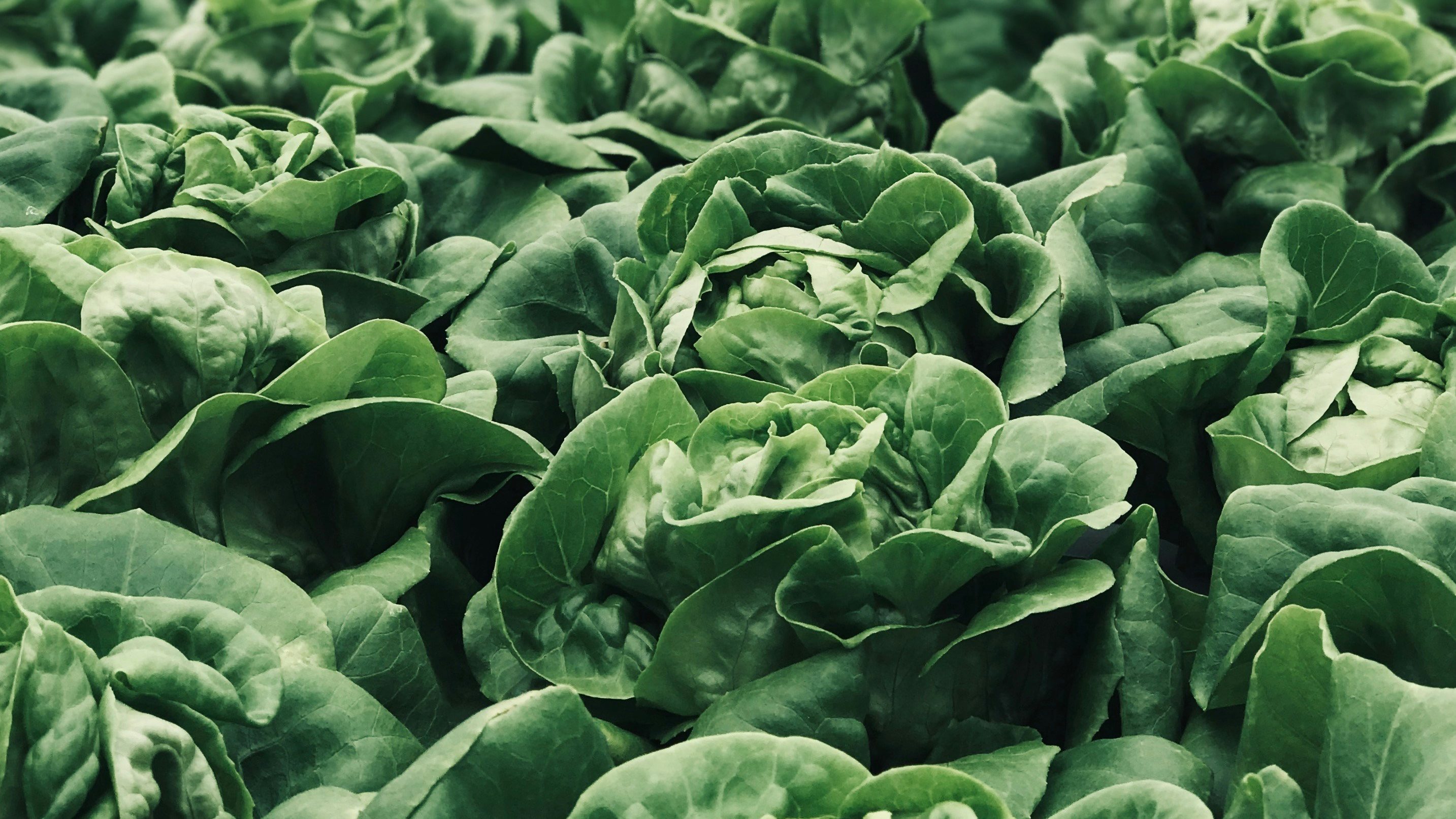
First up, we have the star of the show: Group 1, the unprocessed or minimally processed foods. These are the foods that Mother Nature herself would recognize. They come straight from the earth, derived directly from plants or animals, and have undergone minimal changes before being used. Think fresh fruits, vegetables, grains, nuts, seeds, and meat, poultry, or fish that haven’t been altered. Minimally processed means that the foods may be cleaned, unwanted parts removed, ground, dried, fermented, pasteurized, chilled, or frozen, but no salt, sugar, fat, or oil is added to the original food. Sounds fun, right?
Examples:
- Natural, packaged, dried, cut, chilled or frozen vegetables, fruits, potatoes, and other roots and tubers
- Tree nuts, peanuts, and seeds, without salt or sugar
- Lentils, chickpeas, beans, and other legumes, coffee, cacao nibs
- Bulk or packaged grains such as brown, white, parboiled and wholegrain rice, corn kernels, wheat berries, whole oats
- Grits, flakes and flours made from corn, wheat, grains, or oats, including those fortified with iron, folic acid or other nutrients lost during processing
- Dried or fresh pasta, couscous, and polenta made from water and the grits/flakes/flours described above
- Fresh and dried herbs and spices (e.g., oregano, pepper, thyme,
cinnamon, etc.) - Fresh or pasteurized vegetable or fruit juices with no added sugar or other substances
- Fresh and dried mushrooms and other fungi or algae
- Fresh, chilled or frozen meat, poultry, fish and seafood, whole or in the form
of steaks, fillets and other cuts - Fresh or pasteurized animal-based milk, kefir, and yogurt without sugar
- Eggs from any type of poultry
- Tea and herbal infusions
- Tap, spring, and mineral water
These foods are as close to their natural state as possible, and they’re packed with nutrients. They’re the superheroes of our diet!
Group 2: Oils, Fats, Salt, and Sugar (Processed Culinary Ingredients)
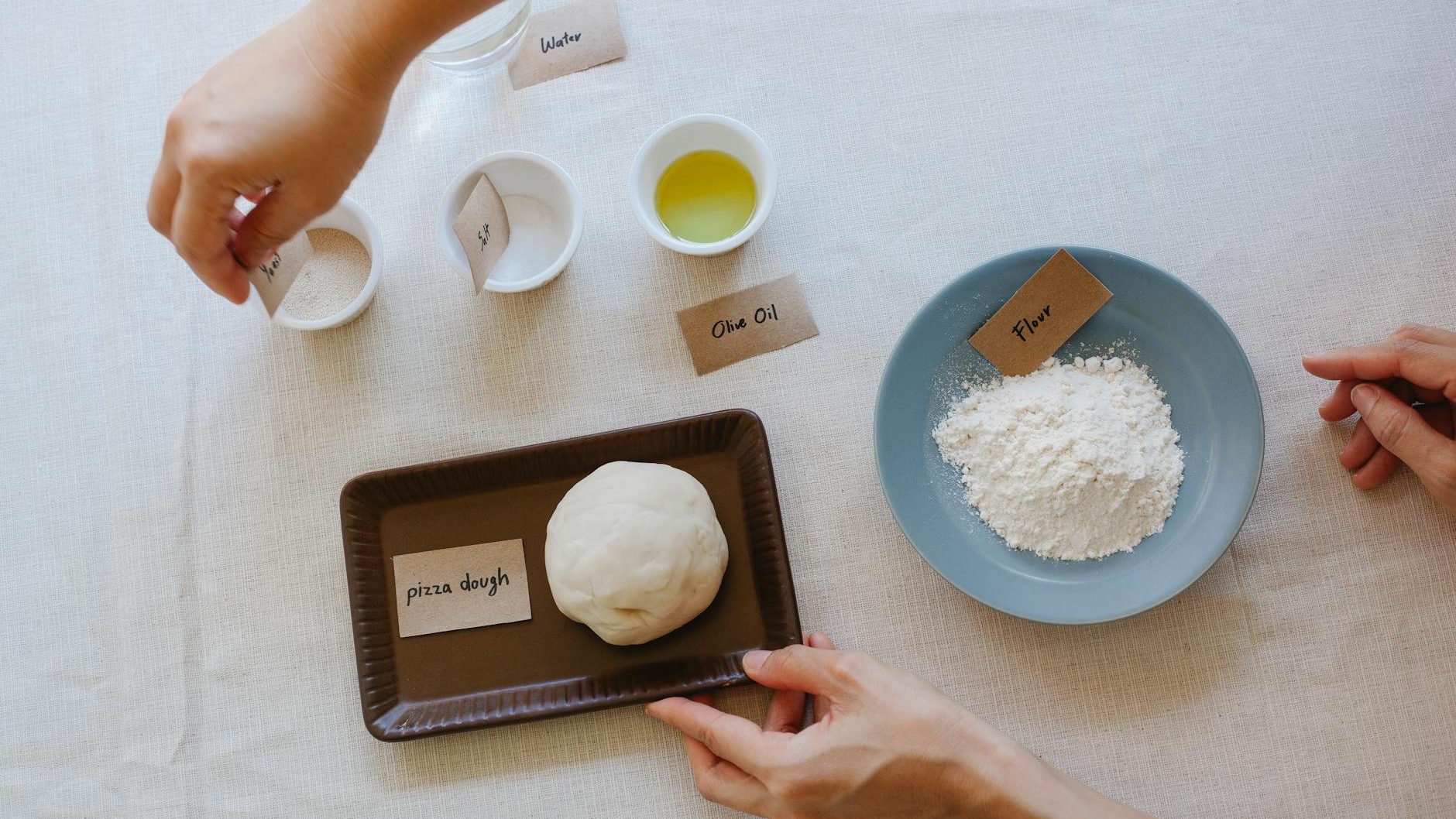
Next, we move on to Group 2, where things start to get a bit more processed but are still healthy to use in cooking alongside Group 1 foods. This group includes processed culinary ingredients, which are used to make our food tastier and often more palatable. They’re like the sidekicks to our superhero foods.
Examples:
- Olive oil, extracted from olives.
- Butter churned from cream.
- Sugar, whether it’s the white granulated kind or the rich, dark brown variety, from cane, beets, or coconuts.
- Sea salt harvested from ocean water.
- Honey, straight from the hive.
- Maple syrup tapped from maple trees.
- Vinegar, produced from fermented alcohol.
- Coconut oil, extracted from coconut meat.
While these ingredients are processed, they’re still pretty close to their natural forms and are often used to cook or prepare other foods. They add flavor, texture, and a bit of pizzazz to freshly cooked meals.
Group 3: Processed Foods
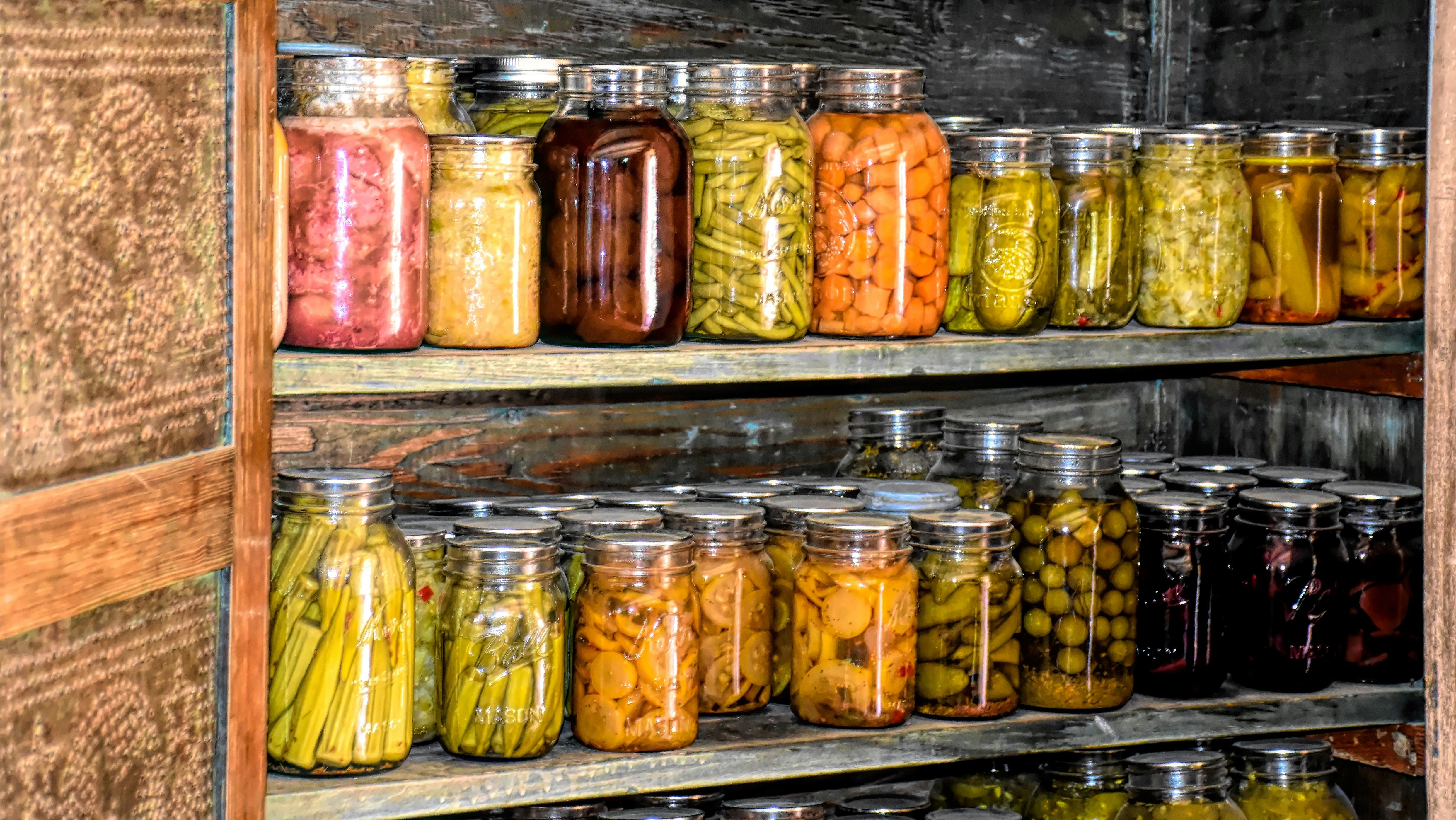
Now, we enter the realm of Group 3, where things get a bit more complex, but these are still foods that people can make at home and can have clean, natural ingredients. This is possible because processed foods are made by combining foods from Group 1 with ingredients from Group 2. They often undergo methods like canning, bottling, or fermentation. These foods are usually recognizable but have been altered to enhance shelf life, texture, digestibility, or taste. Many ancient traditional cuisines have foods in this group!
Examples:
- Canned beans, which are beans from Group 1 with added salt.
- Freshly baked bread, combining flour (Group 1) with yeast, water, and a pinch of salt (Group 2).
- Pickles, which are cucumbers, or other vegetables, fermented with salt and vinegar.
- Cheese, made from milk with added salt and bacterial cultures.
- Smoked fish or meats.
- Salt-cured meats like beef jerky, bacon, salami, and ham.
- Jams and jellies made from fruit and sugar.
- Yogurt with added fruit or sweeteners.
- Fermented foods like sauerkraut, kefir, and kimchi.
- Fermented alcoholic beverages such as beer, alcoholic cider, and wine.
- Tofu, tempeh, bean curd, miso, and natto.
- Nut, seed, and peanut butters with salt, oil, and sugar.
These foods are convenient and can still be nutritious, though they often contain added ingredients to keep them from spoiling or to make them taste better.
Group 4: Ultra-Processed Foods
Finally, we arrive at Group 4, the ultra-processed foods (UPFs). Ultra-processed sounds ultra-bad, but it doesn’t exactly mean that, which I’ll explain later. UPFs are often the industrial formulations of food ingredients that have been through the wringer, bearing little resemblance to their original forms. They often contain long lists of ingredients, many of which you might not recognize without a chemistry degree because they were created in labs. These foods are designed to be ultra-convenient, ultra-tasty, and often ultra-addictive.
The technical definition of UPF from NOVA is any food with more than 5 ingredients, but we know logically, that this is not exactly a problem if you’re making the food yourself with even dozens of ingredients. Where we get into hot water is when the ingredients are not technically classified as food, but as food additives, which generally aren’t available for consumers to easily purchase for use. With this in mind, let’s see some examples so we understand more fully.
Examples:
- Soda, a sugary concoction with added flavors, colors, and preservatives.
- Pre-packaged pastries, cakes, cake mixes.
- Packaged chips, made from potatoes or grain but with a hefty dose of added fats, salt, artificial flavors, flavor enhancers, and artificial colors.
- Industrial seed oils like canola (rapeseed), soybean oil, vegetable oil, Crisco, margarine, vegan “butter” spread
- Vegan “meat” products that include industrial oils, texturized soy protein, preservatives, gums, emulsifiers, salt, and other lab derived ingredients.
- Candy bars, chocolates, and confectionary, combining sugar, fats, and a variety of other ingredients to create a sweet treat.
- Instant noodles and powdered soup mixes, with their long shelf life and a flavor packet that’s more chemistry than cuisine.
- Fast food or frozen pre-prepared items like pizza, pasta dishes, burgers, nuggets, fish sticks, and fries.
- Breakfast cereals and bars with added sugars and artificial colors.
- Packaged snacks like cookies, crackers, and energy bars.
- Ready-to-eat meals and frozen dinners.
- Baked products like packaged breads and buns, made with ingredients such as hydrogenated vegetable fat, sugar, yeast, whey, emulsifiers, brominated dough conditioners, and other additives.
- Sweetened, prepared dairy including flavored milk, ice cream, flavored yogurt.
- Protein powders and infant formula fall into this category, but should be assessed as needed for some populations who rely on them to prevent starvation.
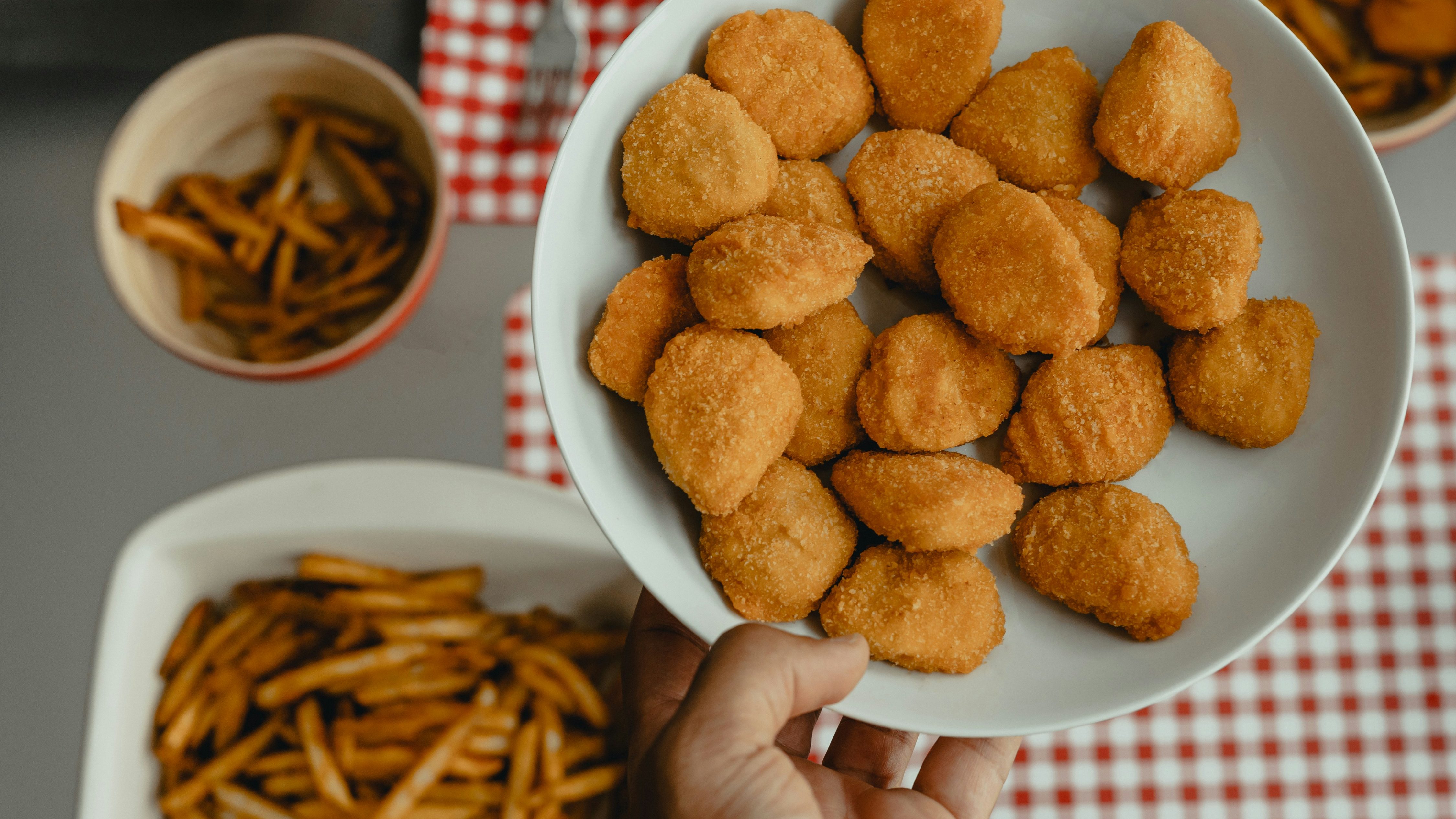
While ultra-processed foods (UPFs) are often delicious and convenient, some may come with a hidden cost. Some of these foods can rewire your brain, making you eat more calories in a day– studies show around 500 extra, which is an entire meal for an average sized woman!
Many UPFs are made very soft in texture by being practically pre-digested in their design [think: Twinkie or Hawaiian Roll]. While this creates undeniable mouth pleasure, it’s bad because UPFs don’t properly trigger the signals that tell your brain you’re full. This can lead to overeating, as your brain doesn’t get the memo that you’re satisfied. On top of that, the chemicals to soften and preserve can harm our thyroid, pancreas, and other endocrine organs, when we eat these foods daily.
Moreover, UPFs can wreak havoc on your gut. Our gut bacteria, which play a crucial role in our health, don’t respond well to these foods. They can increase inflammation in the gut, leading to various health issues. The lack of proper nutrients and the presence of additives can disturb the balance of gut bacteria, making our digestive system less efficient and more prone to problems.
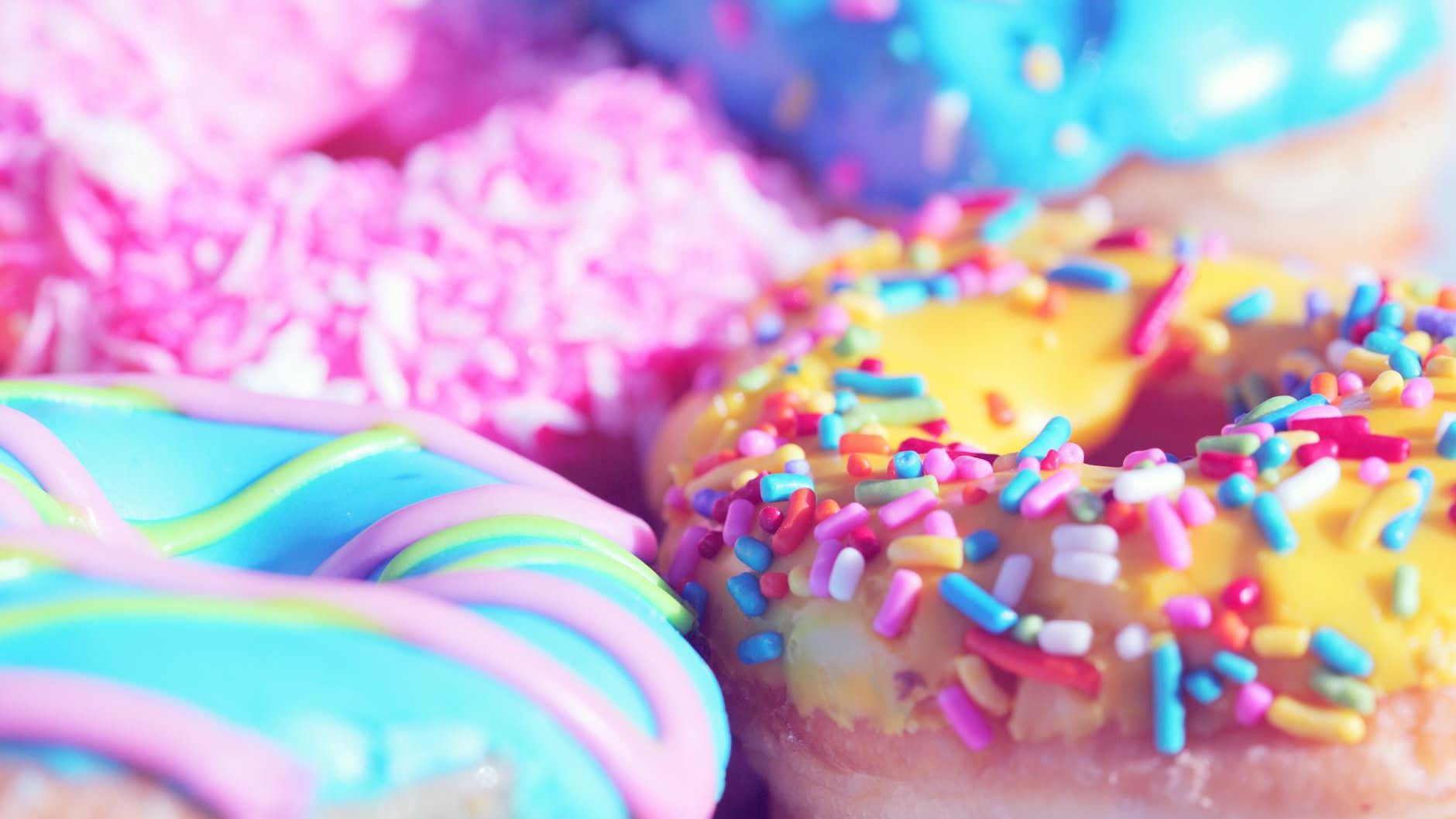
Try replacing UPFs for PFs (ultra-processed foods for processed foods) that you can make at home or buy from local artisans. There are a number of fun and simple recipes out there that you can try, including some on this very website! And there are health food stores that often carry local, small-batch, artisan products, or you can try visiting a farmer’s market. And if you want to occasionally indulge in some UPF action, enjoy every moment of it and understand the potential consequences, taking care not to make it a habit.
Wrapping It Up
Now that you know a little about the NOVA Food Classification System, how do you think it will inform how you eat? Whether you’re crunching on a carrot, drizzling olive oil on a salad, savoring a slice of bread, or indulging in a candy bar, knowing what’s in your food can help you make more informed choices. So next time you’re at the grocery store, think about which group your food belongs to and how it fits into your overall diet.
Happy eating!
Disclaimer
This article is for educational purposes only and is not a replacement for medical advice. It is not intended to diagnose or treat any disease. If you or someone you know has disordered eating or food addiction, it’s important to seek professional help. Talk to a doctor or a qualified healthcare provider to get healthy eating back on track. Understanding the NOVA Food Classification System is just one step toward better nutrition, but personalized medical advice and support are crucial for managing and overcoming these challenges.
References:
- East Carolina University Physicians. (2021). NOVA classification reference sheet. Retrieved from https://ecuphysicians.ecu.edu/wp-content/pv-uploads/sites/78/2021/07/NOVA-Classification-Reference-Sheet.pdf
- Monteiro, C. A., Cannon, G., Levy, R. B., Moubarac, J.-C., Louzada, M. L. C., Rauber, F., Khandpur, N., Cediel, G., Neri, D., Martinez-Steele, E., Baraldi, L. G., & Jaime, P. C. (2021). Ultra-processed foods: What they are and how to identify them. Trends in Food Science & Technology, 118, 115-126. https://doi.org/10.1016/j.tifs.2021.08.010
 Rachael O'Connell, ND • The Warrior Doc