
Dedication: to my grandmother on her birthday today, which she celebrates in heaven for the first time this year. Praise God that now you are free of pain, Grammie. Love you bunches.
Pharma: Drugs vs Plants
Inflammation is at the root of many chronic diseases, from arthritis to cardiovascular issues. But while pharmaceutical drugs like steroids and NSAIDs are commonly used to suppress inflammation, nature offers an alternative—plants with powerful anti-inflammatory properties. However, these plants don’t always work in the same way as their pharmaceutical counterparts. Instead of simply suppressing symptoms, they support the body’s natural processes, promoting balance and healing.
Understanding “Anti-Inflammatory”
When people hear the term “anti-inflammatory,” they often think of medications that reduce pain, swelling, or redness. Steroids (glucocorticoids) inhibit inflammatory process proteins, while NSAIDs (like aspirin or ibuprofen) block the enzyme COX (cyclooxygenase), reducing inflammation. These drugs are effective for short-term relief but often come with side effects, such as gut irritation or long-term immune suppression.
On the other hand, plants known for their anti-inflammatory properties don’t always work by suppression. Instead, they help modulate inflammation, often by supporting the body’s detoxification processes, improving circulation, or regulating immune responses. Unlike pharmaceutical drugs, plants contain multiple active compounds that work together in ways we don’t fully understand yet—but clinical evidence supports their use.
Nature’s Pharmacy: Anti-Inflammatory Plants and How to Use Them
Many plants have been studied for their ability to influence inflammation in the body. Below are some well-known examples, their active compounds, and how they can be used:
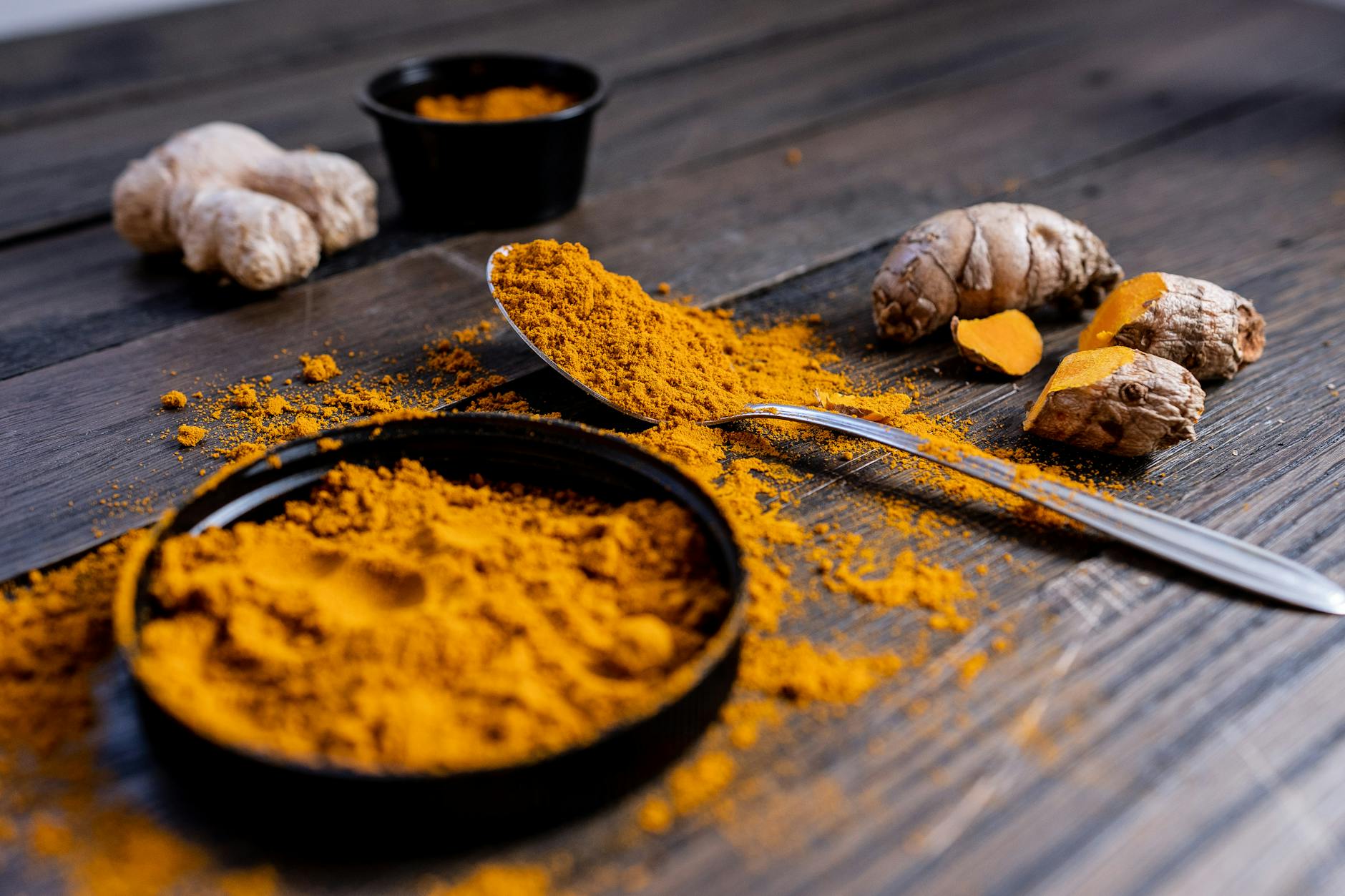
1. Turmeric (Curcuma longa)
How It Works: Curcuminoids in turmeric, particularly curcumin, have been shown to modulate inflammation, support liver detoxification, and act as antioxidants.
Best Ways to Use It:
- Powdered turmeric (1-4g daily for chronic use, up to 16g for acute conditions)
- Standardized curcumin extract (200-600 mg BID-QID)
- As a spice in food, or mixed with black pepper to enhance absorption
Conditions It May Help: Arthritis, autoimmune diseases, digestive issues, cardiovascular disease, and post-surgical inflammation
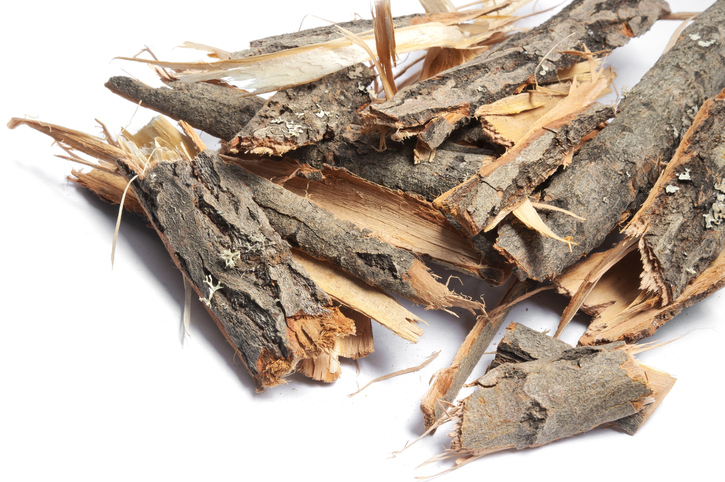
2. Willow Bark (Salix spp.)
How It Works: Contains salicin, which converts to salicylic acid in the body—similar to aspirin but with fewer side effects. It reduces fever, pain, and inflammation.
Best Ways to Use It:
- Decoction (boil 1-3 tsp bark in water)
- Standardized salicin extract (120-240 mg daily)
- Powdered form (3-5g daily)
Conditions It May Help: Headaches, fevers, musculoskeletal pain, arthritis
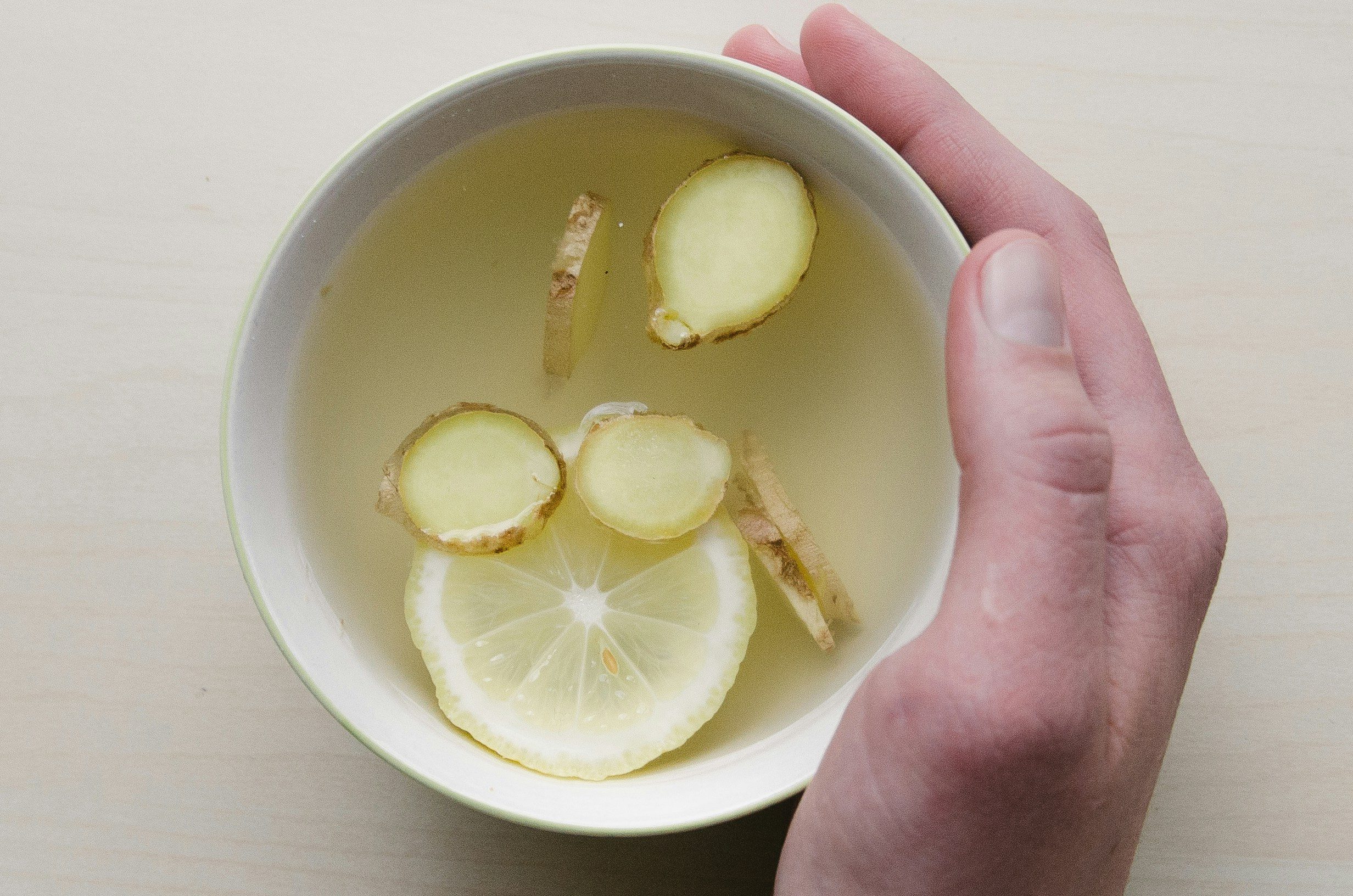
3. Ginger (Zingiber officinale)
How It Works: Gingerols and shogaols inhibit COX-1 and COX-2 enzymes, similar to NSAIDs, while also reducing inflammatory cytokines like TNF and IL-1.
Best Ways to Use It:
- Fresh ginger tea (1-2 tsp chopped rhizome in hot water)
- Dried ginger powder (500-1000 mg up to four times daily)
- Raw, cooked, or juiced
Conditions It May Help: Nausea, arthritis, menstrual cramps, respiratory inflammation
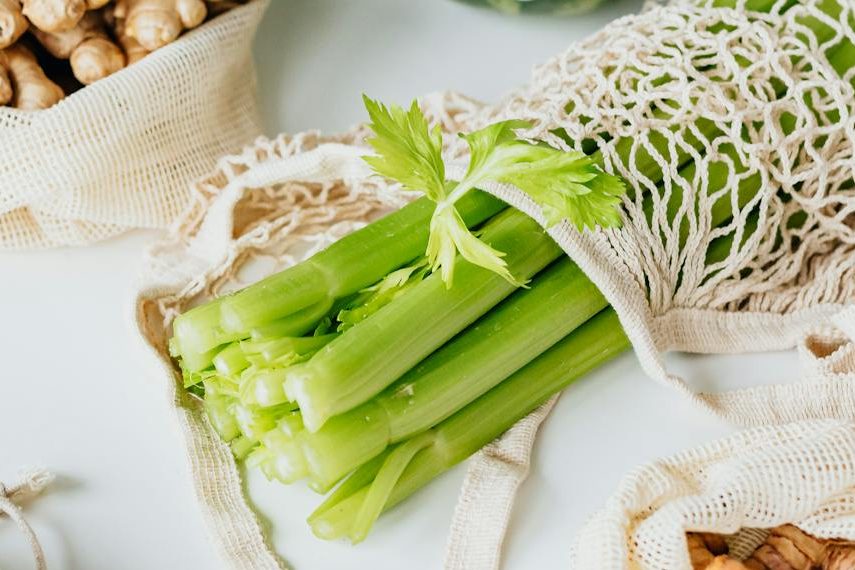
4. Celery (Apium graveolens)
How It Works: Contains luteolin, which reduces COX-2 and blocks inflammatory pathways. Celery also acts as a diuretic, flushing excess uric acid.
Best Ways to Use It:
- Tea (2-3 tsp seeds per cup of hot water)
- Whole celery stalks (4 per day for blood pressure effects)
- Tincture (1-3 ml, three times daily)
Conditions It May Help: Gout, arthritis, high blood pressure, bloating

5. Devil’s Claw (Harpagophytum procumbens)
How It Works: Contains harpagosides, which suppress COX-2 and TNF-alpha, reducing inflammation over time.
Best Ways to Use It:
- Decoction (1-2 tsp per cup of water)
- Powdered form (3-9g daily)
- Tincture (1-5 ml BID-TID)
Conditions It May Help: Chronic pain, osteoarthritis, rheumatoid arthritis
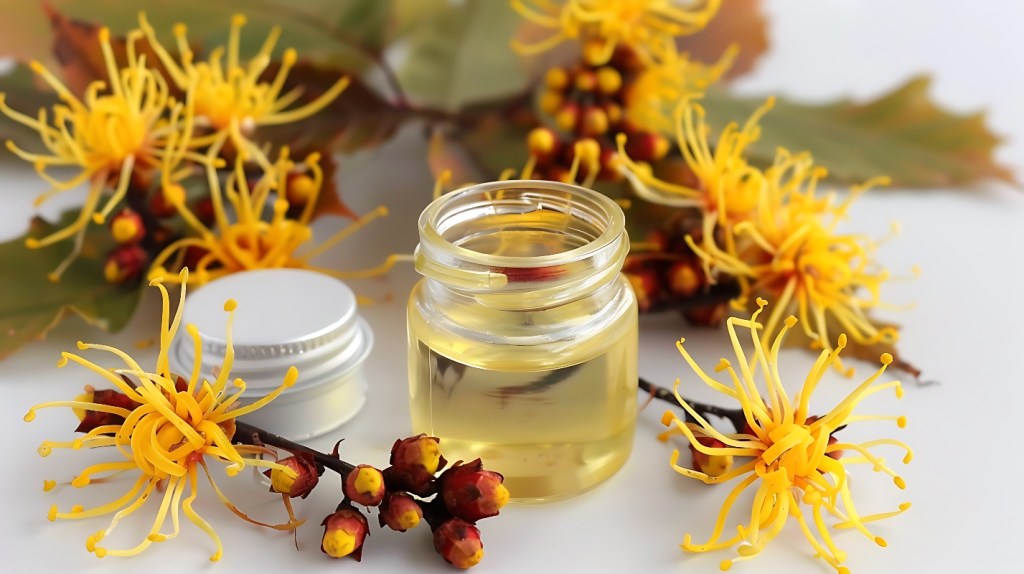
6. Witch Hazel (Hamamelis virginiana)
How It Works: Rich in tannins, which reduce excess discharge and irritation. Used topically, it’s effective for hemorrhoids and skin inflammation.
Best Ways to Use It:
- Tea (2 tsp per cup of water)
- Topical applications (compress, liniment, suppository)
Conditions It May Help: Hemorrhoids, sore muscles, insect bites, skin inflammation
The Bigger Picture: Plants as Part of Holistic Health
While these plants offer potent benefits, they work best when combined with foundational health practices:
✅ Nourishing Diet – Whole, unprocessed foods support overall health.
💧 Hydration – Water is essential for detoxification.
🌞 Sunlight & Movement – Vitamin D and exercise reduce systemic inflammation.
🛌 Sleep & Stress Management – Chronic stress and poor sleep increase inflammation.
👥 Community & Connection – A strong support system improves well-being.
Final Thoughts
Instead of relying solely on pharmaceutical interventions, we can integrate medicinal plants into our daily lives to reduce inflammation and promote healing. While we may never fully understand the vast complexity of plant medicine, centuries of traditional use and emerging scientific evidence suggest that nature’s pharmacy holds powerful solutions.
If you’re considering using plant-based remedies, consult a knowledgeable practitioner to ensure safety and effectiveness for your specific health needs.
References:
- Ahmad, R. S., Hussain, M. B., Sultan, M. T., Arshad, M. S., Waheed, M., Shariati, M. A., Plygun, S., & Hashempur, M. H. (2020). Biochemistry, safety, pharmacological activities, and clinical applications of turmeric: A mechanistic review. Evidence-Based Complementary and Alternative Medicine, 2020(1). https://doi.org/10.1155/2020/7656919
- Al-Asmari, A., Athar, Md. T., & Kadasah, S. (2017). An updated phytopharmacological review on medicinal plant of Arab region: Apium Graveolens Linn. Pharmacognosy Reviews, 11(21), 13. https://doi.org/10.4103/phrev.phrev_35_16
- Delle Monache, F., Ferrari, F., & Menichini, F. (1984). Two isoflavones from Piscidia Erythrina. Phytochemistry, 23(12), 2945–2947. https://doi.org/10.1016/0031-9422(84)83047-2
- Gxaba, N., & Manganyi, M. C. (2022). The fight against Infection and pain: Devil’s claw (harpagophytum procumbens) a rich source of anti-inflammatory activity: 2011–2022. Molecules, 27(11), 3637. https://doi.org/10.3390/molecules27113637
- Hoffmann, D. (2017). Medical herbalism: The science and practice of Herbal Medicine. Healing Arts Press.
- Montinari, M. R., Minelli, S., & De Caterina, R. (2019). The first 3500 years of aspirin history from its roots – a concise summary. Vascular Pharmacology, 113, 1–8. https://doi.org/10.1016/j.vph.2018.10.008
- Nunes, C. dos, Barreto Arantes, M., Menezes de Faria Pereira, S., Leandro da Cruz, L., de Souza Passos, M., Pereira de Moraes, L., Vieira, I. J., & Barros de Oliveira, D. (2020). Plants as sources of anti-inflammatory agents. Molecules, 25(16), 3726. https://doi.org/10.3390/molecules25163726
- Piazza, S., Martinelli, G., Magnavacca, A., Fumagalli, M., Pozzoli, C., Terno, M., Canilli, L., Angarano, M., Maranta, N., Dell’Agli, M., & Sangiovanni, E. (2022). Unveiling the ability of Witch Hazel (Hamamelis virginiana L.) bark extract to impair keratinocyte inflammatory cascade typical of atopic eczema. International Journal of Molecular Sciences, 23(16), 9279. https://doi.org/10.3390/ijms23169279
- Tawfeek, N., Mahmoud, M. F., Hamdan, D. I., Sobeh, M., Farrag, N., Wink, M., & El-Shazly, A. M. (2021). Phytochemistry, pharmacology and medicinal uses of plants of the genus Salix: An updated review. Frontiers in Pharmacology, 12. https://doi.org/10.3389/fphar.2021.593856
 Rachael O'Connell, ND • The Warrior Doc